Roulette corner bet strategy looks tidy on paper, but the floor tells a different story. I have watched players across Tokyo VIP lounges, Macau high-rollers, and Paris back-offices chase the same four-number squares, and the pattern never changes: patience pays, greed burns the bankroll. Down here, the arvo heat makes a slow wheel feel even slower, and that is exactly where a corner bet earns its keep. You are not hunting a miracle; you are covering a small patch of the layout, pricing it right, and walking away before the streak turns. If you want a clean place to compare odds and table limits without the noise, start at https://dog-house-megaways-au.com/ and keep your eyes on the maths, not the flash.
How the Corner Bet Sits on the Layout
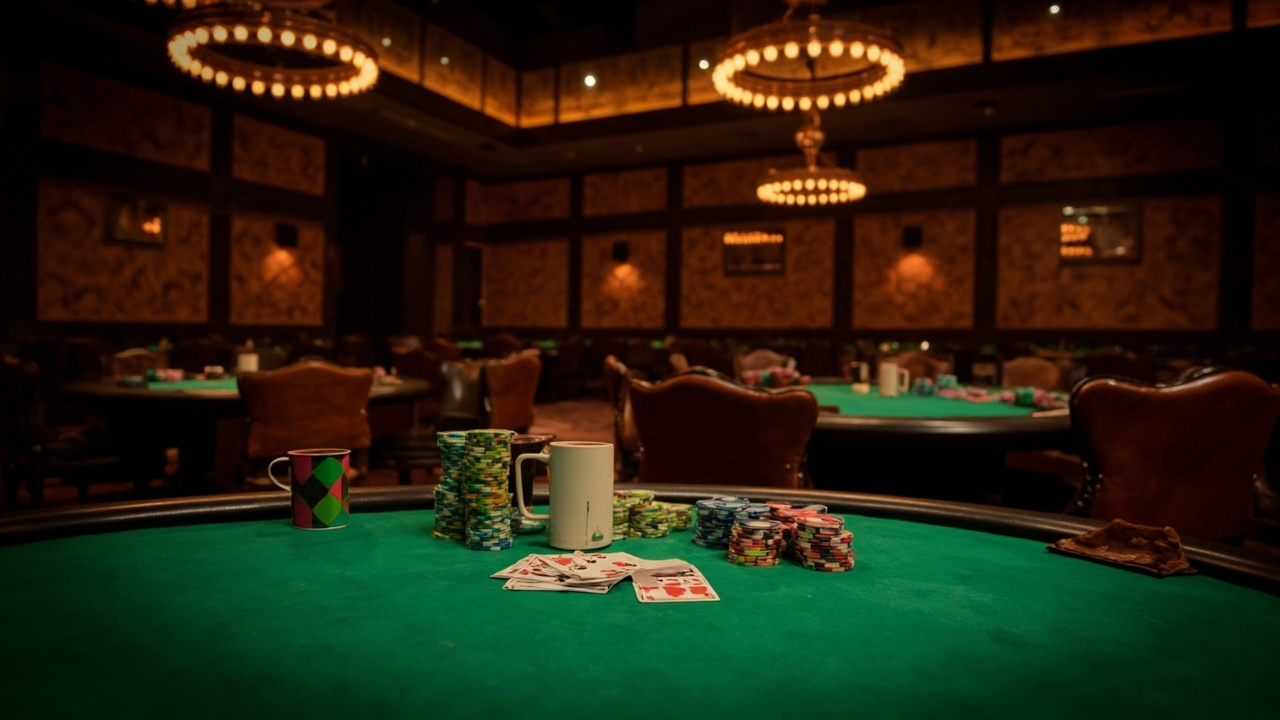
A corner bet, sometimes called a square, pays 8:1 and covers four numbers that share a meeting point on the grid. The real work is not the payout; it is choosing which square you actually want to own. I have seen French-market regulars treat the layout like a chessboard, laying a chip on 1/2/4/5 only when the dealer rhythm and the table temperature felt right, while Japanese VIP desk staff I worked with would quietly flag the same square as a patience play, not a hot streak. The maths is simple: eight ways to win out of thirty-seven on a single-zero wheel, which puts the house edge where it always sits. What changes is how you size the wager relative to your session bankroll and how long you stay on the square before you rotate.
A quick floor observation: a mate of mine at a regional Queensland club once parked a single unit on 17/18/20/21 for twenty-two spins, took two hits, and left with his stake intact because he had already decided the exit point before the first ball dropped. That is the difference between a corner bet and a coin flip. You are buying coverage on a tight patch, and the price only makes sense when you treat it as a small, defined slice of a larger plan. If the table minimum is steep or the wheel is running hot on a neighbouring dozen, the square starts costing more in spirit than it returns in chips. Walk the layout first, note the limits, and only then decide whether that four-number block deserves a chip.
Sizing the Wager and Reading the Session
The bet only works when the stake matches the table and the mood. I have run retention calls across Mandarin-speaking players who treat a corner like a metronome – same small unit, same calm exit – and the accounts that lasted were the ones that never chased a dry run with a doubling gesture. A practical approach is to set your corner unit as a fixed fraction of the session bankroll, then let the wheel do what it does without rewriting the plan mid-spin. When the square pays, you have two honest choices: pocket the profit and keep the base stake, or take a fraction and leave the rest working. The second option keeps the session alive; the first keeps the mood steady. Both beat the habit of pressing hard after a miss.
Another small moment that sticks with me: a Paris desk colleague once watched a player anchor his whole evening on 3/6/9/12, took a hit on the fifth spin, and then quietly slid the same chip back for another go because the dealer had not changed pace and the table had not changed character. That is not luck talking; that is a player who understood the square was a slow instrument, not a sprint. If you are playing online, the same discipline applies, only the interface can nudge you harder. Clear bet sliders, visible table limits, and a currency that matches your wallet remove the little frictions that turn a patient corner into an impulsive one. When the screen shows your stake in the language and money you actually use, you make fewer rushed calls.
Where the Interface and Localisation Actually Matter
A corner bet is a small, deliberate play, so the table you choose should feel equally deliberate. I have sat through enough product demos across multiple markets sweetheartrock.com to know that a cluttered layout, hidden limits, or a currency that shifts under you will wear down patience faster than any streak. The good tables keep the grid readable, the chip values obvious, and the localisation honest – your language, your money, your limits, all visible before you drop the first chip. When you are comparing options, check whether the registration flow asks for what it actually needs, whether the payment paths match the currency you are playing in, and whether support speaks your language without making you repeat yourself. Those are not fancy extras; they are the difference between a calm session and a frustrating one.

One practical note from a colleague who audits compliance for a living: Georgia Reid, iGaming Regulatory Consultant, Tasman Gaming Partners, has pointed out that clear localisation and honest limit display are often the first things that separate a usable table from a messy one, especially when players are moving between sessions and devices. That line stays with me because it is true on the floor and on the screen. A corner bet does not need a parade of features; it needs a clean grid, a stake you can afford, and a table that tells you what it is. If the platform keeps the visual identity tidy, the navigation short, and the language consistent, you can focus on the square itself instead of fighting the interface. That is where the strategy stops being theory and starts being something you can actually run.